MyllaNo1 for root establishment
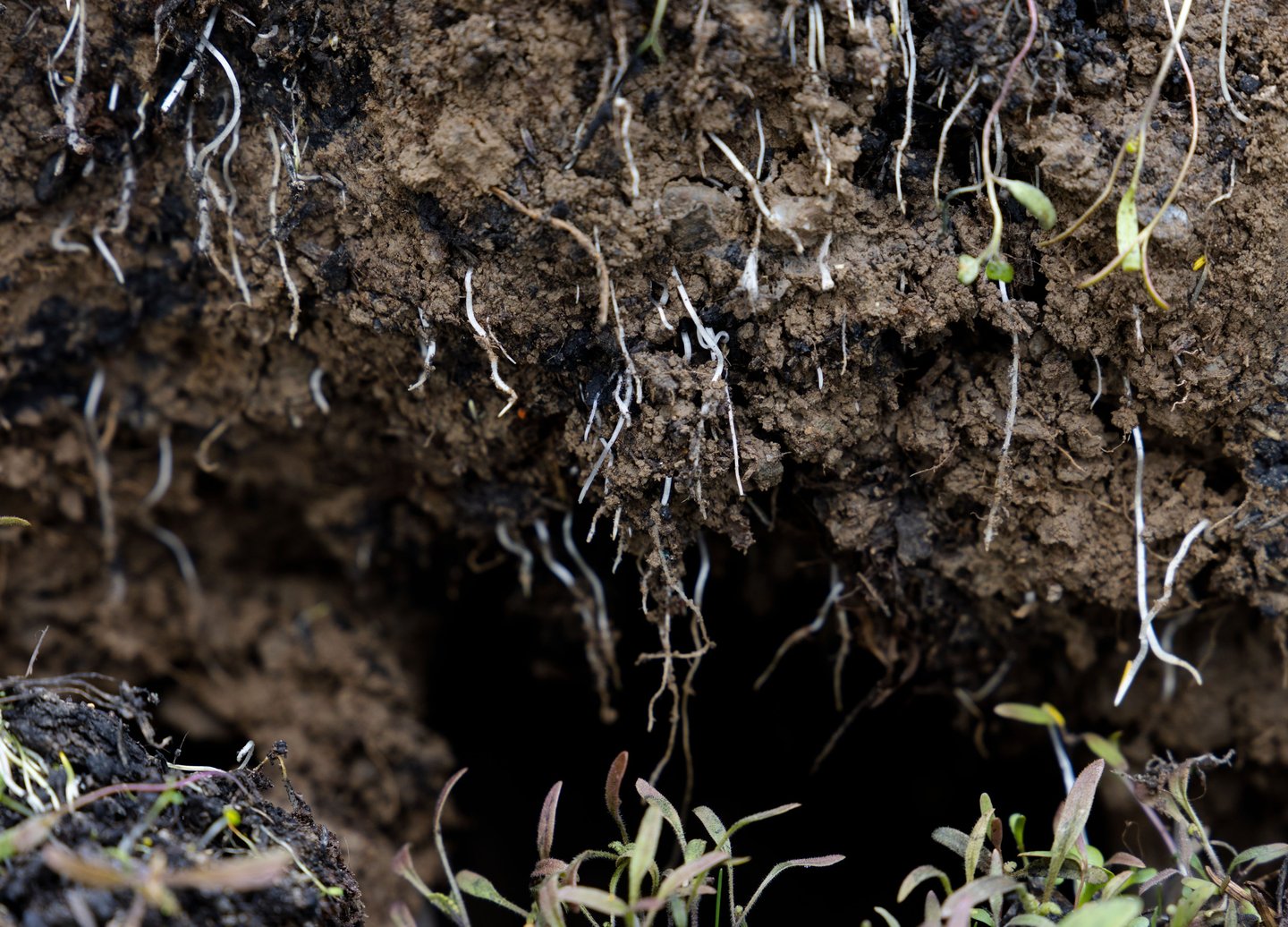
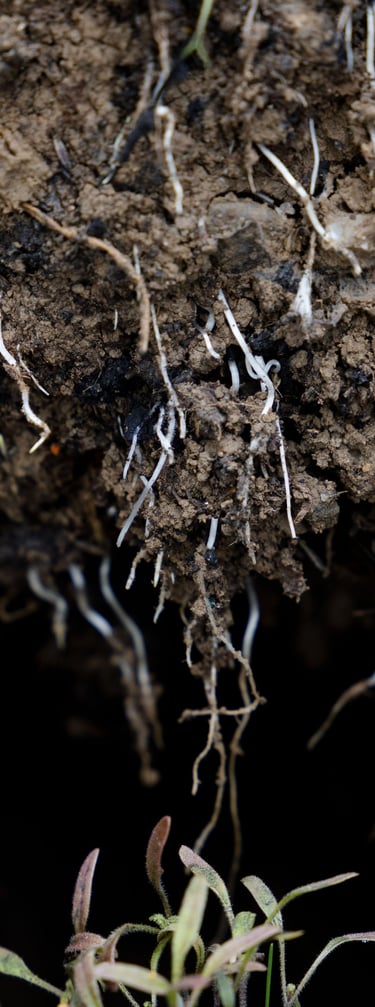
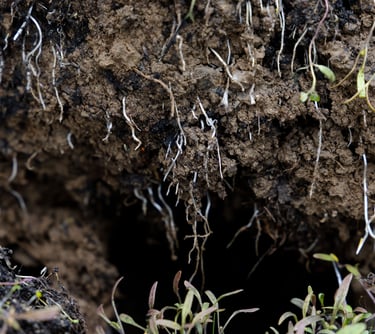
In the first growing window, young trees either connect with the soil or they don’t. If that connection fails, nutrients leach, biology stalls, and the chance to build a strong root-soil relationship is gone.
MyllaNo1 is crafted to protect that window, supporting a living, structured planting zone where roots can settle and soil function can begin.
A fermented biological planting substrate for trees, shrubs, and nursery systems where early soil-root connection matters.
For municipalities and public procurement
Urban planting projects often involve complex soil and establishment risks that are not fully captured in standard compost‑based specifications. If you are exploring options to improve soil–root performance in street trees, parks, or infrastructure planting, we can support a preliminary market engagement discussion.
This conversation is designed to help contracting authorities and their consultants understand where MyllaNo1 might fit within existing or future specifications, what risks it is intended to address, and how supply could be structured. It is not a bidding process and involves no commitment from either side; its purpose is to inform better procurement and project outcomes.
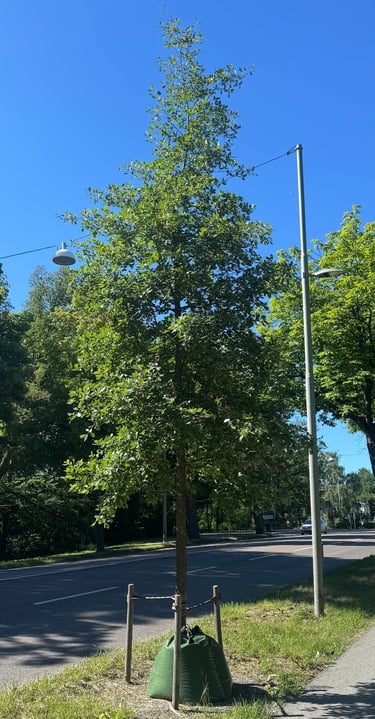
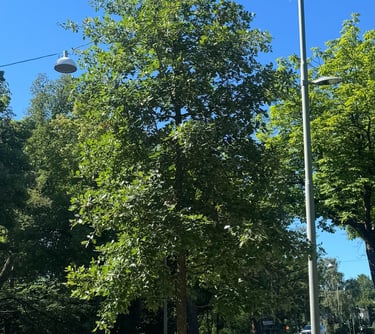
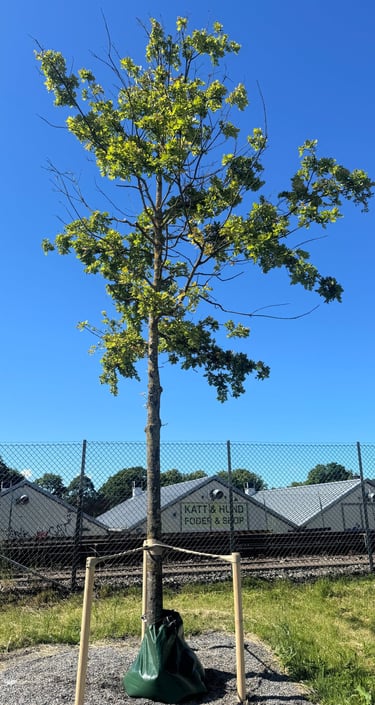
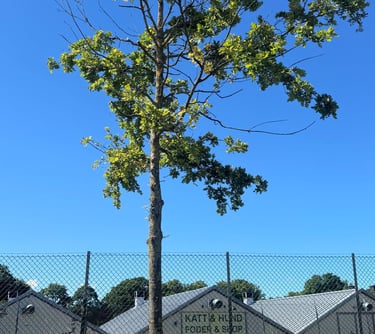
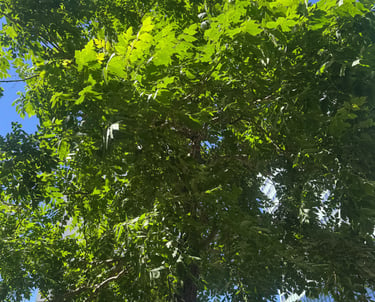
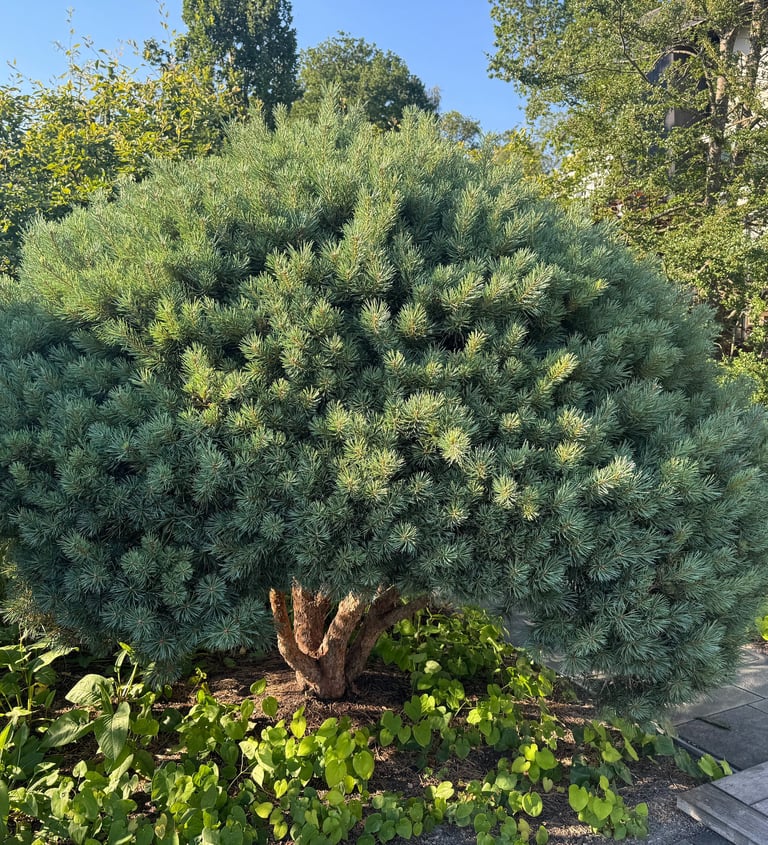
Same species, two very different outcomes.
The tree on the left was planted using a conventional compost-based approach. The tree on the right was established with Mylla No1.
This example illustrates how soil-input decisions can influence establishment, canopy development, and the long-term cost of urban planting.
Soil care in our opinion should be of a primary consideration, not an afterthought.
The Long-Term Value of Better Soil Inputs
Three functions in one substrate

Chemically Active
Biologically Energising
Physically Transformative
Chemically active
Fertility depends on exchange, not just addition.
The substrate is designed to create an active nutrient environment around roots. Carbon-rich surfaces, biologically available minerals, and fermentation-derived compounds, proteins, peptides and amino acids support the soil’s ability to hold, buffer, and release nutrients over time to ensure your soil & plants are always fed.
Biologically energising
Living soil depends on biological momentum.
Fermented inputs support microbial activity and the enzyme-driven processes that make nutrients available. The aim is to create a root-zone environment where biology can begin working early after planting.
Physically transformative
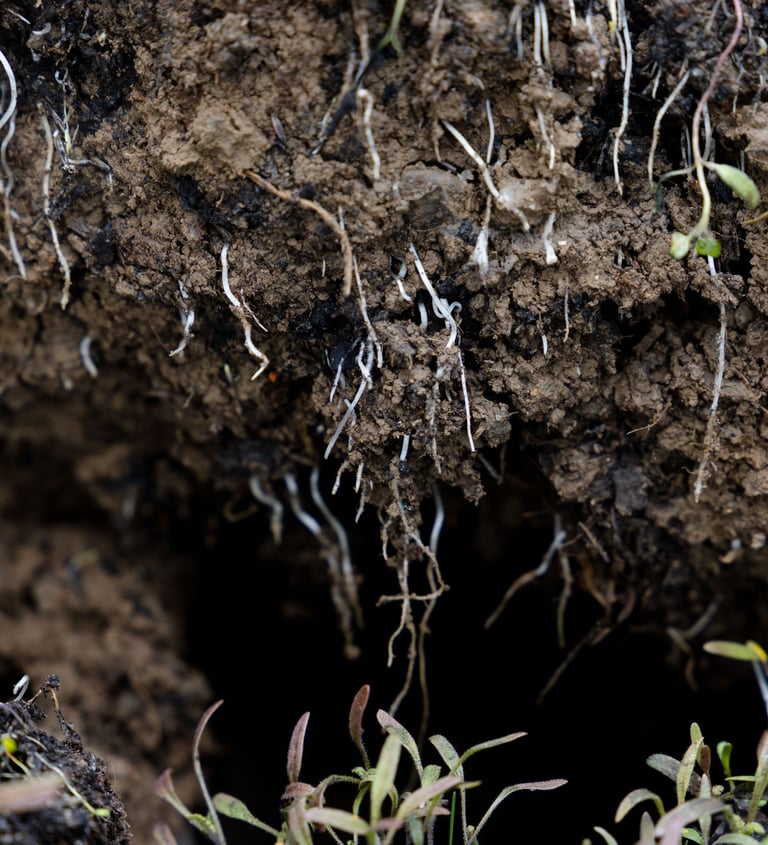
Roots need structure, air, and pathways.
The carbon-rich fraction supports aggregation, porosity, water movement, and root exploration. This is especially valuable in tired, compacted, or low-function soils where establishment is often slow.
How it works
Why choose MyllaNo1?
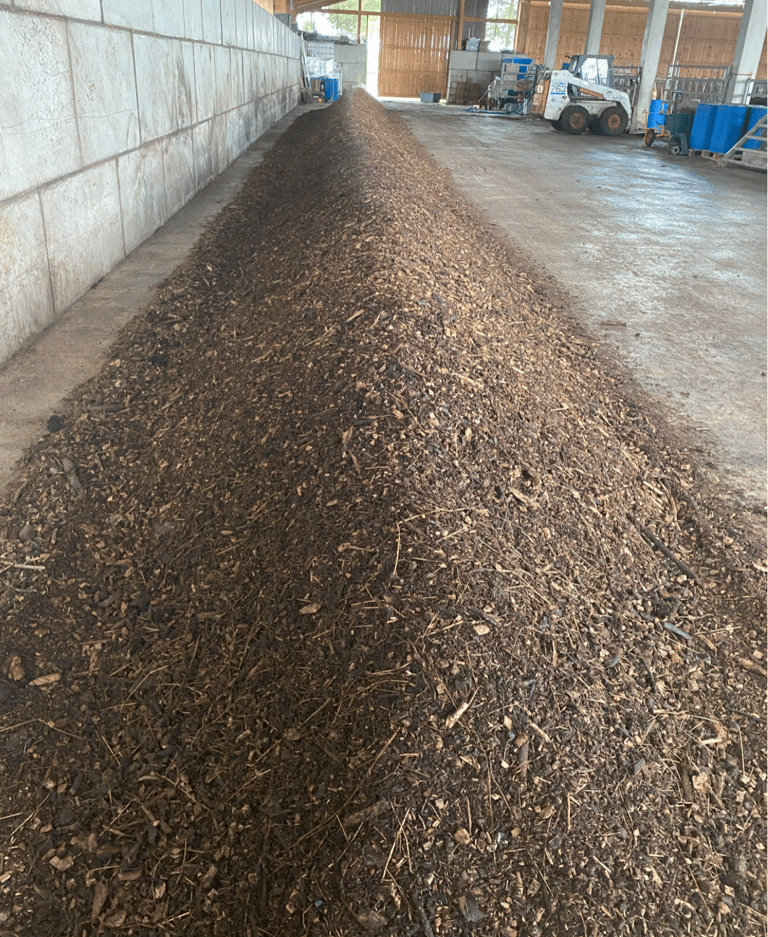
Crafted specifically for root-soil connection
More consistent than variable green-waste compost.
Designed for root-zone establishment, not waste-stream disposal.
Lower-salt, biology-first positioning.
Crafted in small batches for maturity and readiness.
Intended for function over volume.
Over 10 years of product development
Trusted by professsionals
Our Partners






Why establishment fails without biology-first root-zone support
Most organic inputs used in planting systems are conceived primarily as outlets for waste rather than as precise biological tools. MyllaNo1 takes a different approach: it is a deliberately formulated biological amendment whose main purpose is to reinforce the soil–root interface during the most sensitive stages of plant establishment. It is a no‑compromise substrate for professionals who require the same degree of predictability and control from their soil inputs as they demand from any other part of their operation.
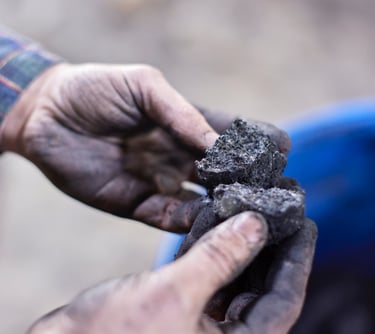
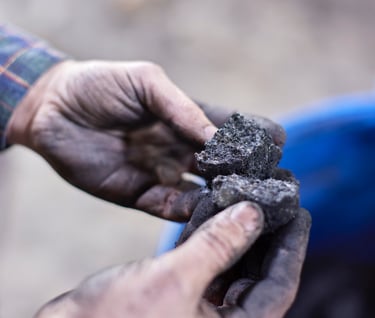
Charged Biochar
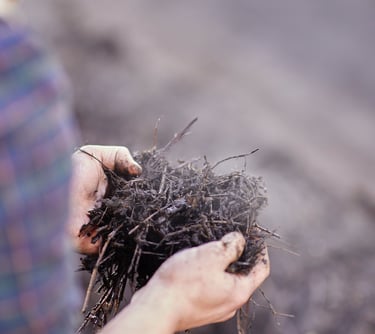
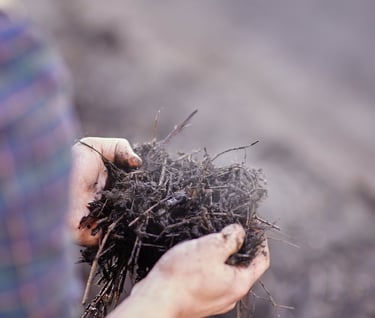
Fermented Carbon
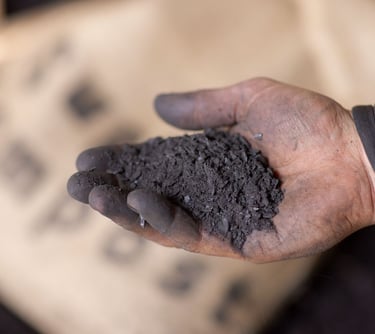
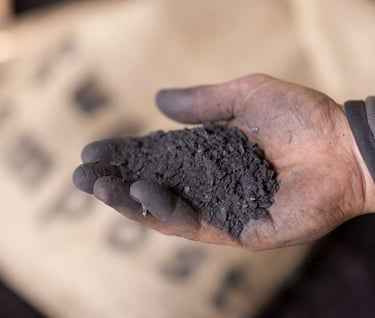
Activated Trace Minerals
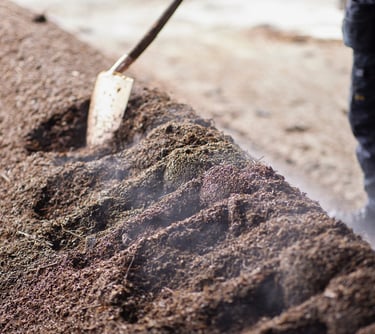
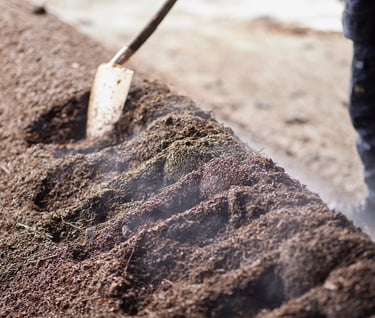
Hand Crafted in small batches
The real gap in our industry isn’t nutrients – it’s biologically active organic matter. When that is missing, we miss the short window to knit roots into the surrounding soil or substrate.
MyllaNo1 was created exactly for this purpose: the development of a genuinely functional soil environment that works for years not weeks.
Fertile soil is not only nutrient-rich. It has structure, biological activity, exchange capacity, moisture balance, and resilience under stress. These qualities cannot be forced instantly. They are cultivated through the right materials, the right process, and the right timing.
Why it exists
Because soil fertility is grown never added

Bringing Craft back to Soil Care
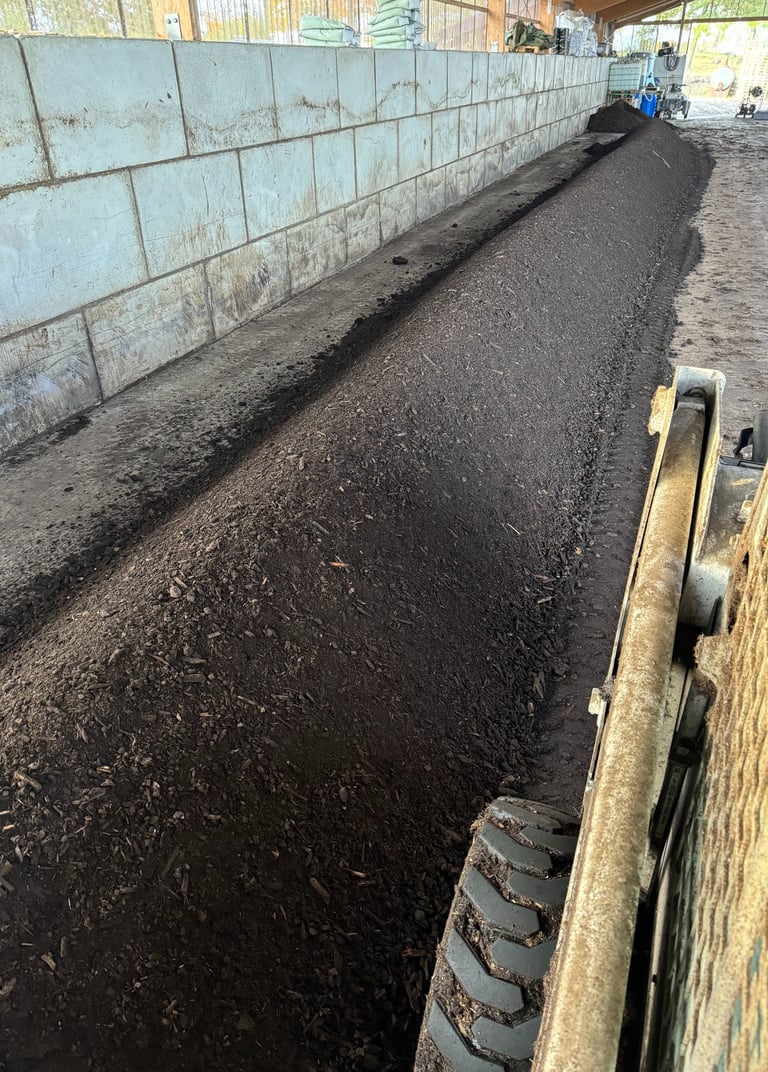
With more than ten years of refinement, each batch is produced with controlled texture, moisture and biological readiness. Batches are made to order rather than stored for long periods, so the material reaches the planting site with its functional biology and carbon still active.
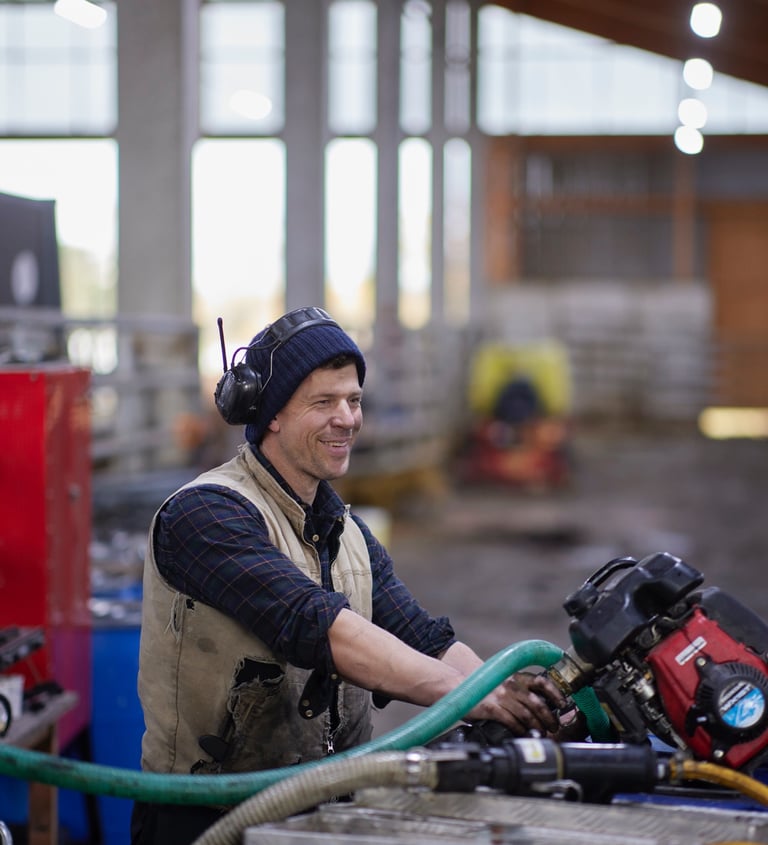
This is not a commodity substrate pushed through at maximum throughput. It is a deliberately engineered material where process control is part of the performance. Small‑batch production lets us participate in the process, adjust when needed, and keep the finished substrate aligned with its role in the root zone: supporting a living, structurally stable soil environment.
The result is a consistently performing substrate, where the mineral–microbe–root interaction that normally stays invisible is expressed in measurable establishment and long‑term soil function and plant vigour.
Built in small batches

59degrees Soil Architects
Soil architecture for biological function.
info@59degrees.com
© 2025. All rights reserved.